DOLE Heat Advisories 2026: A Warehouse and Factory Guide to Documenting Ventilation and Air Movement Controls
Last updated: 2026-11-18
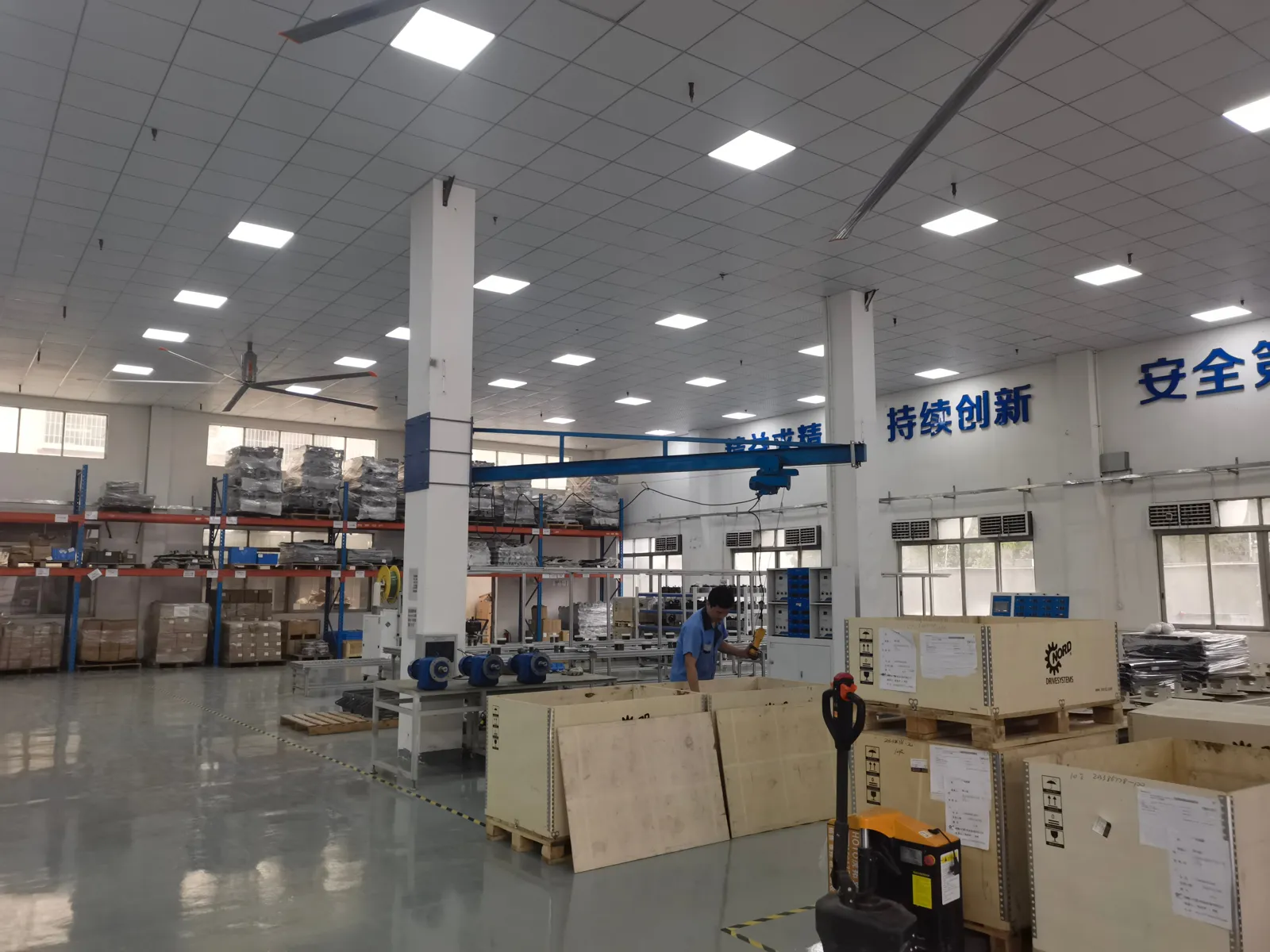
In 2026 the Philippine Department of Labor and Employment (DOLE) issued Labor Advisory No. 20 and Labor Advisory No. 19 on heat stress at work, as reported by the Philippine Information Agency. Advisory No. 20 requires employers to carry out — and document — a Hazard Identification, Risk Assessment, and Control (HIRAC) process for heat, and ventilation and cooling systems are one of the factors that assessment must consider. For warehouse and factory operators, the practical consequence is simple: air movement is no longer just a comfort decision. It is a line item in a documented safety assessment, and this guide sets out what to assess, what to record, and where HVLS fans honestly fit.
What do Labor Advisories No. 19 and No. 20 actually require?
Advisory No. 20 sets the assessment duty. The HIRAC process is carried out through the employer’s occupational safety and health personnel and committees, with input from worker representatives, and it must be documented rather than done informally. The factors DOLE names for the assessment are:
- Temperature and humidity
- Direct sunlight and radiant heat
- Physical workload and duration of exposure
- Clothing and personal protective equipment
- Ventilation and cooling systems
- Access to safe drinking water
- Workers’ health conditions and acclimatization to heat
DOLE also directs employers to monitor official PAGASA advisories, including heat index data, and warns against evaluating heat risk from mobile-app temperature readings alone instead of actual workplace conditions.
Advisory No. 19 covers the other end of the problem: work-related heat stress and heat-related illness can be assessed for compensation under the Employees’ Compensation Program. That is what makes the paperwork matter — the assessment and the operating records are the evidence that decides whether an illness counts as work-related.
Which workplaces does this cover — only outdoor work?
No. DOLE names outdoor occupations first — construction, agriculture, fishing, delivery and road work — but states explicitly that indoor workers may also face risk, particularly in factories, kitchens and warehouses, and in environments with poor ventilation or equipment that generates excessive heat. That description matches a large share of Philippine production and logistics buildings: high roofs, process heat, long shifts, and air that barely moves.
The hazard is not discomfort. DOLE treats extreme heat as an occupational hazard that can lead to heat cramps, heat exhaustion and heat stroke, and notes that prolonged exposure degrades concentration and the ability to work safely, which raises accident risk. A warehouse heat assessment is therefore about injury prevention, not only welfare.
Where does air movement fit inside a HIRAC assessment?
HIRAC works in three steps: identify the hazard, assess the risk, and select controls. Ventilation and air movement sit in the third step, as one engineering control among several. The preventive measures DOLE urges alongside the assessment include drinking water, shaded or well-ventilated rest areas, designated cooling areas, structured work–rest–hydration cycles, scheduling strenuous work in cooler hours, and first-aid readiness. Air movement supports several of these — a ventilated rest area and a workable production floor both depend on air actually moving — but it replaces none of them.
Two honest limits belong in any assessment that names fans as a control:
- Fans move air; they do not remove heat. Moving air improves evaporation from skin and breaks up stagnant hot layers, which is why it is a legitimate control — but it is not refrigeration, and a HIRAC document should not claim a temperature reduction the equipment cannot deliver.
- A control only counts if it covers the people at risk. A fan over a packing line does nothing for the crew at the loading dock. Positions have to follow the work zones, which is the same planning discipline set out in the high-bay ventilation guide and the fan layout guide.
For diameter and model context, the verified RTFANS range used on this site runs from 4.0 m to 7.3 m; matching a diameter to a bay is covered in the model selection guide. Selection comes after the assessment, not before it.
What should the documentation record?
DOLE emphasises keeping accurate workplace records: temperature logs, work schedules, exposure duration, physical workload, and the preventive measures in place. These records serve two purposes — they show the assessment was real, and they become evidence if a heat illness case is assessed under Advisory No. 19.
For the air-movement control specifically, a complete record normally adds:
- Which ventilation or fan equipment serves which work zone, and its positions on the building plan
- Operating hours and speed settings during hot periods, so the control can be shown to have been running
- The date the control was introduced or changed, tied to the HIRAC review that called for it
- Re-assessment triggers: new heat-generating equipment, changed racking or layout, or a heat incident — the same change-control discipline described in the safety guide
A documented assessment for a hot, humid storage building also has to reckon with cranes and tall racking when fan positions are planned; the hot and humid warehouse scenario works through those constraints as a planning example.
Common mistakes
- Treating a fan purchase as compliance. The advisories require a documented assessment and a set of controls; a product on the ceiling is neither.
- Assessing heat from a phone app’s temperature reading, which DOLE explicitly warns against, instead of conditions measured in the building.
- Writing the assessment once and never revisiting it after equipment, racking or shift patterns change.
- Recording the assessment but not the controls — no equipment list, no operating record — leaving nothing to evidence a compensation case.
- Claiming a temperature drop from air movement alone. Overstated controls undermine the credibility of the whole document.
FAQ
Does installing HVLS fans make a Philippine workplace compliant with the DOLE advisories?
No. Advisories No. 19 and No. 20 require a documented HIRAC assessment and appropriate controls, judged as a programme — assessment, preventive measures, records. Fans can be one engineering control inside that programme. No single product purchase makes an employer compliant, and any supplier who promises otherwise is misreading the advisories.
Are warehouses and factories really covered, or is this about outdoor work?
Both. DOLE names outdoor occupations as especially vulnerable, and then states explicitly that indoor workers in factories, kitchens and warehouses — and anywhere with poor ventilation or heat-generating equipment — also face the risk. Indoor industrial buildings are in scope.
What records should an employer keep for heat stress?
The records DOLE emphasises are temperature logs, work schedules, exposure duration, physical workload and the preventive measures in place. Keep the HIRAC assessment itself with them: together they show the risk was assessed and controlled, and they are the evidence base if a heat-related illness is assessed for compensation under the Employees’ Compensation Program.
Which areas should be assessed for air movement first?
Start where the assessment factors combine: zones with heat-generating equipment, poor existing ventilation, sustained physical workload and long exposure duration. In practice that usually means production lines, packing areas and loading docks before offices or low-occupancy storage aisles.
Planning air movement for a Philippine facility?
If your HIRAC assessment has identified air movement as a control, the next step is positions and diameters against your actual building — bays, racking, cranes and work zones. The planning assistant organises your building inputs, and the engineering team will review a layout for your facility through the layout request page. The review works from your building data; the compliance judgement stays with your own safety committee and the advisories themselves.